Manual Espresso Machines
Hands-on espresso for buyers who want more control.
Last updated:
Quick answer
Manual espresso machines put you in charge of the shot.
- Updated for 2026
- Independent research
- Reader-first comparisons
- Transparent affiliate disclosure
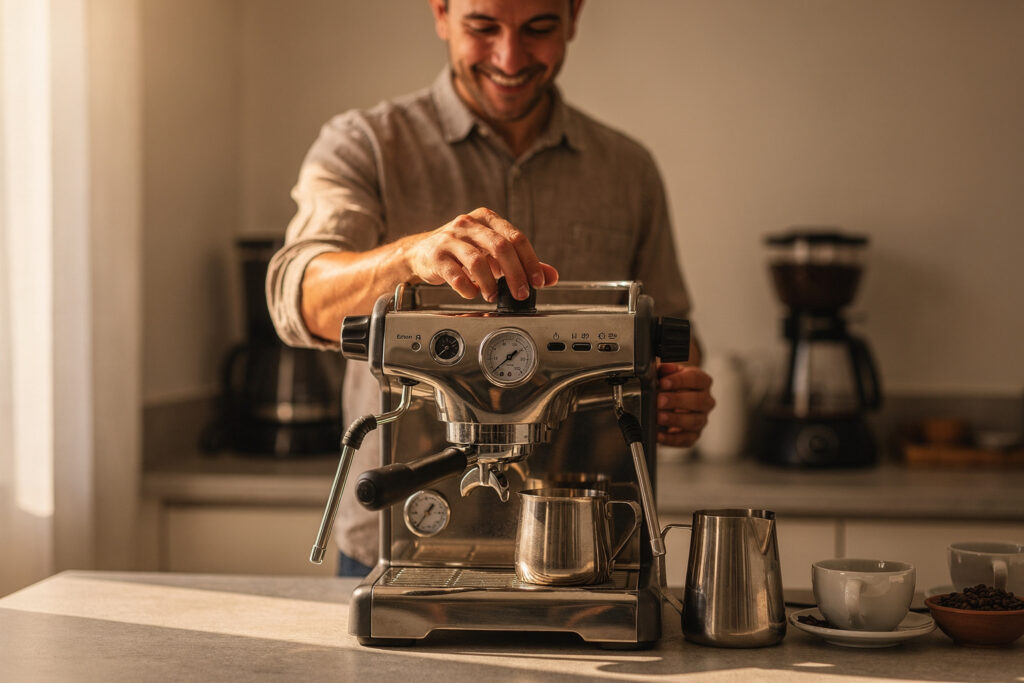
Manual espresso machines put you in charge of the shot. Instead of pressing one button and waiting, you manage the lever, the grind, the dose, and the pressure curve. That makes them appealing to coffee buyers who want a more involved brew style and a clearer link between each step and the cup result. They are not the easiest path, but they can be a strong fit when control matters more than speed.
For this sub-hub, the best comparison points are the ones that change daily use. Look at how the lever feels, how stable the heat source is, whether the basket size matches your dose, and how much practice the machine asks for before it makes repeatable espresso. Small design details matter here. A smooth lever, a sturdy base, and easy access to the brew parts can make the machine feel much friendlier at home.
CoffeeMakersInfo focuses on plain-language comparisons, so this hub helps you narrow choices without getting lost in spec sheets. Manufacturer details tell you what a machine is built to do. Reviews show how it behaves in real kitchens. Put those together and you can see whether a manual espresso machine fits your routine, your counter space, and your comfort with a more active brewing process.
Key highlights
- Direct control over each shot
- Best with a capable grinder
- Heat stability affects results
- Cleanup varies by design
How to choose (and common mistakes)
This section focuses on manual espresso machines.
Start with the parts that shape the shot, not the look of the machine. Check whether it uses a spring lever or direct lever, what basket size it takes, and how it handles heat. Then look at the water setup, counter footprint, and how easy the group area is to reach after brewing. These details affect both learning and daily use.
Common mistakes include pairing the machine with a weak grinder, ignoring warm-up behavior, and assuming all levers feel the same. A stiff lever can be tiring, while a loose one may be harder to control. Another mistake is choosing a model with hard-to-clean seals or a cramped drip tray. Compare a few models on the same short list and note where users mention repeatable shots, cleanup time, and build feel.
⚡ Quick Picks
Three strong options to start with. Pick one that matches your goal, then jump to the guides below.

CASABREWS CM5418 Espresso Machine
This semi-automatic espresso maker features a 20 bar Italian pump and a 1350 W boiler. It includes a milk frothing steam wand and a compact design suitable for small spaces.

CASABREWS 3700 Stainless Steel Espresso Machine
This semi-automatic espresso maker features a 20-bar pump and a 1350 W heating system. It includes a steam wand for frothing milk.

atatix Espresso Machine with Milk Frother
This espresso machine features a 20-bar pressure system to maintain consistent pressure during brewing and includes a built-in milk frother for preparing milk-based espresso drinks.
Carefully selected coffee makers based on performance, durability, and user reviews for enthusiasts.
Related Topics
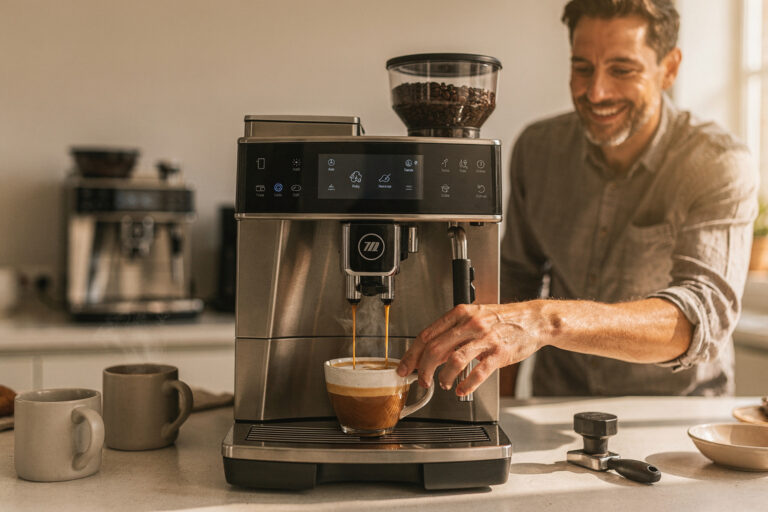
Super-Automatic Espresso Machines
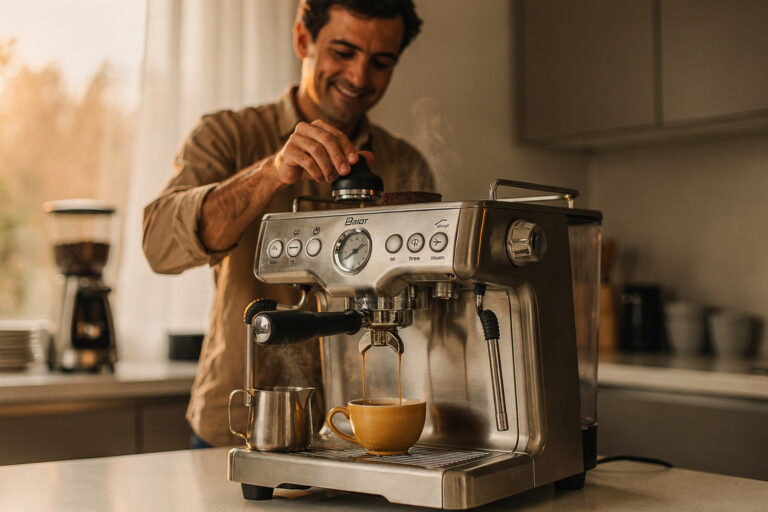
Semi-Automatic Espresso Machines
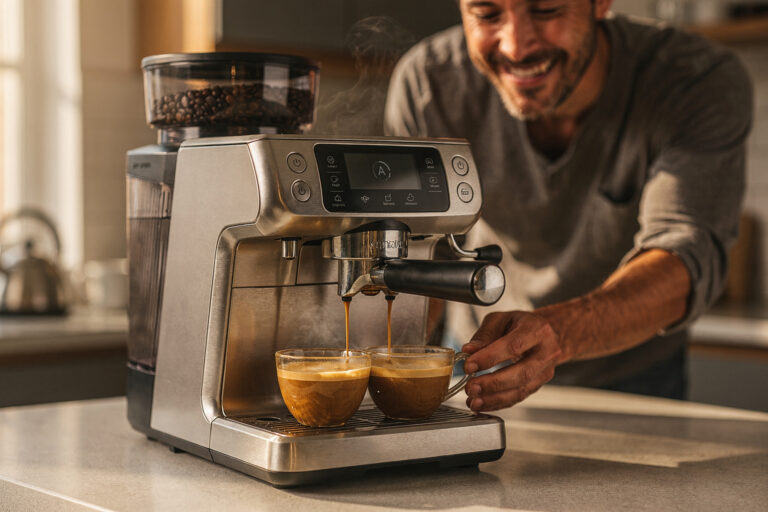
Automatic Espresso Machines
Latest Guides
New guides are on the way — check back soon.
How We Choose & Recommend
Short, practical guidance first—then product picks when you are ready.
- We compare features and real-world use cases for Manual Espresso Machines.
- We scan user feedback for patterns (not one-off opinions).
- We call out trade-offs so you can pick confidently.
FAQ
Who are manual espresso machines best for?
They fit buyers who want to take part in the brew, not just start it. If you like setting the grind, watching the first drops, and feeling the lever move, this style can be rewarding. It works especially well when you want a compact espresso setup and do not mind learning a repeatable routine. If you want fast push-button brewing, choose a different style.
What should I compare first in manual espresso machines?
Start with the lever design, basket size, and heat control. Those three parts shape how the machine feels and how consistent it can be. Also check whether the portafilter is standard, how long the unit needs to warm up, and whether the drip tray comes out easily. Compare those items before you focus on finish or color.
How much skill does a manual espresso machine need?
You do not need barista-level skill, but you do need steady habits. A good shot depends on a fine espresso grind, an even tamp, and a clear sense of how fast the flow should start. Begin with one bean, one basket, and one recipe, then change only one thing at a time. Avoid chasing every shot with random adjustments.
Why does grinder choice matter so much here?
Manual espresso machines depend on very small grind changes. If the grind is too coarse, water rushes through and the cup can taste thin. If it is too fine, the lever may feel heavy and the shot can slow too much. Pair the machine with an espresso-capable grinder, then test the same dose and tamp before changing anything else.
Are manual espresso machines hard to clean?
Cleanup is usually simple, but the design decides how long it takes. Look for easy access to the basket, group area, gaskets, and drip tray. After brewing, rinse the basket, wipe the brew parts, and empty used water before it sits. Models with tight corners or small seals can take longer, so check cleaning steps before buying.
What reviews help most for this sub-hub?
Look for reviews that talk about lever feel, warm-up behavior, and shot repeatability, not just general praise. Real users often mention whether the machine sits stable on the counter, whether the pressure feels smooth, and how easy it is to reach the brew path for cleanup. Use those notes to spot weak points, then compare two or three models side by side.
⭐ Top 5 Best Coffee Makers
CASABREWS CM5418 Espresso Machine
This semi-automatic espresso maker features a 20 bar Italian pump and a 1350 W boiler. It includes a milk frothing steam wand and a compact design suitable for small spaces.
CASABREWS 3700 Stainless Steel Espresso Machine
This semi-automatic espresso maker features a 20-bar pump and a 1350 W heating system. It includes a steam wand for frothing milk.
atatix Espresso Machine with Milk Frother
This espresso machine features a 20-bar pressure system to maintain consistent pressure during brewing and includes a built-in milk frother for preparing milk-based espresso drinks.
Carefully selected coffee makers based on performance, durability, and user reviews for enthusiasts.