CoffeeMakersInfo
Percolators Made Clear for Everyday Coffee Buyers
See how percolators work and what matters when you compare models. This guide keeps the choices simple so you can pick a fit faster.
- Updated for 2026
- Independent research
- Reader-first comparisons
- Transparent affiliate disclosure
Last updated:
Percolators have a loyal following because they make a bold, familiar cup and come in sizes for one mug or a full pot. For coffee buyers, the challenge is not whether a percolator can brew coffee. It is finding the right mix of brew style, material, size, and ease of use for the way you drink at home or on the go.
CoffeeMakersInfo focuses on plain-language comparisons, so this hub helps you sort the parts that really change the experience. Some percolators are made for stovetops, while others use electric heat. Some have clear fill marks and sturdy handles, while others trade simplicity for a more compact shape. Those details matter when you want a pot that fits your routine, your counter, and the amount of coffee you actually make.
This page is built to help you compare percolators without getting lost in spec sheets. You will find the main features to watch, the common mistakes to avoid, and the terms that show up in product listings and reviews. If you are choosing between classic metal pots, electric models, or different cup sizes, this hub gives you a clean place to start.
The goal is simple: help you read the label, compare the parts that affect the cup, and narrow your options with less guesswork.
What you’ll get here
- Clear percolator buying basics
- Feature checks that matter most
- Common mistakes buyers often miss
- Simple tips for better results
How to start (simple plan)
This section focuses on percolators.
Start by matching the percolator to your usual coffee amount. A smaller pot works well for one or two mugs, while a larger model suits families or guests. Then look at the brew style: stovetop models are portable, and electric models are easier for quick daily use.
Next, check the parts that shape the cup and the cleanup. A well-fitting basket, readable water marks, and a solid handle can make the pot easier to live with. If you want a smoother choice, compare the material, lid fit, and cup rating side by side.
Common mistakes include picking the wrong size, ignoring how the cup count is listed, and overlooking how hot the pot gets on a burner or base. The best first pick is usually the one that matches your routine, not the one with the longest feature list.
⚡ Quick Picks
Three strong options to start with. Pick one that matches your goal, then jump to the guides below.

Presto Stainless Steel 12-Cup Coffee Percolator
This electric coffee percolator features a stainless steel construction and brews up to 12 cups. It is suitable for smaller households or individual servings, with a compact design that allows brewing from 2 to 6 cups.

West Bend Electric Percolator Coffee Maker
This silver electric percolator features a stainless steel stem and basket, a heat-resistant handle base, and a detachable cord. It has a capacity of 2 to 12 cups, suitable for serving varying amounts of coffee.
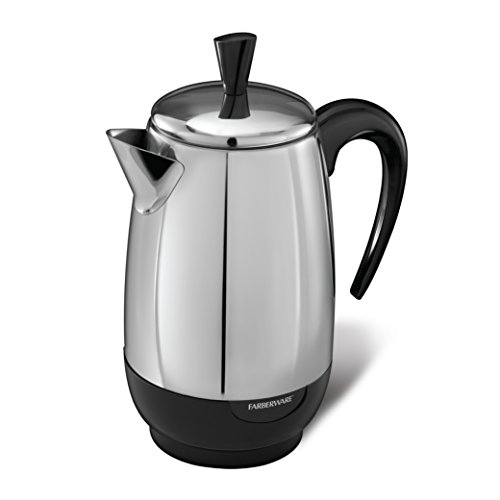
Farberware Electric Coffee Percolator
This electric coffee percolator features a stainless steel basket and an automatic keep-warm function. It has a no-drip spout and brews up to 8 cups of coffee.
Carefully selected coffee makers based on performance, durability, and user reviews for enthusiasts.
Choose Your Next Step
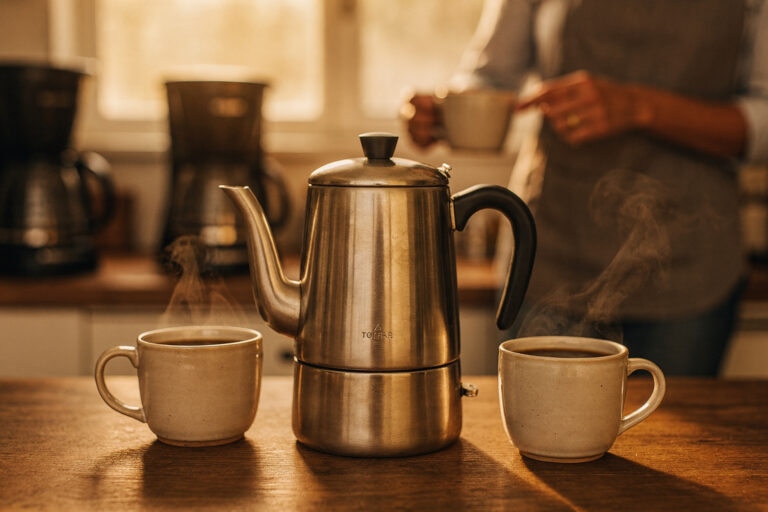
Percolators
See what sets percolators apart and how to compare them.
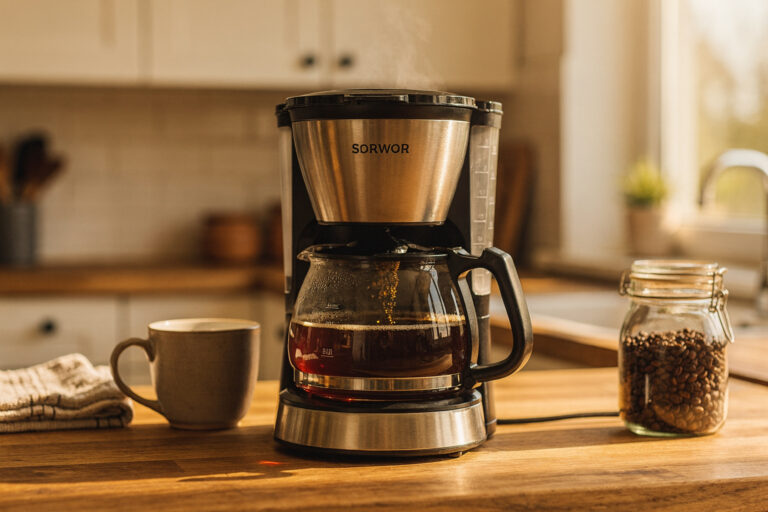
Drip coffee makers
Compare a common everyday brew style with clear feature guides.
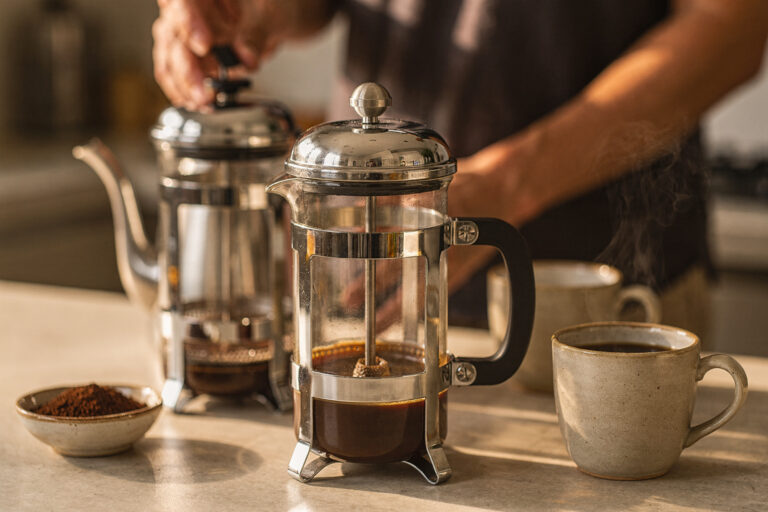
French press coffee makers
Review another simple brew method and how it fits your routine.
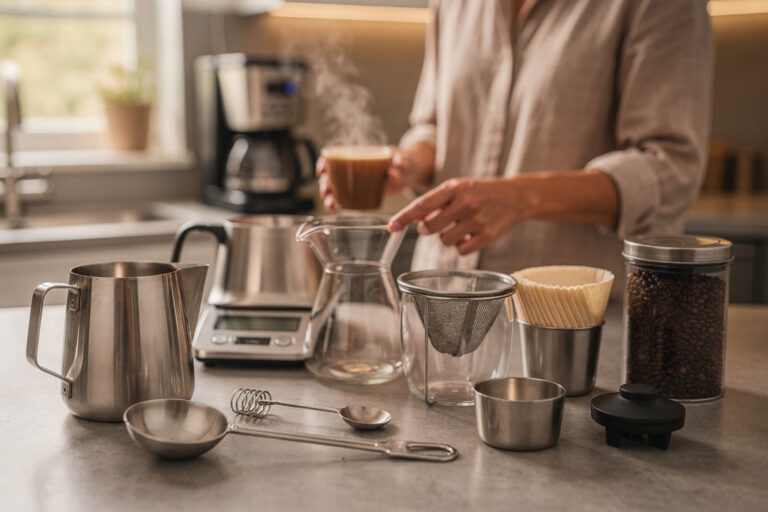
Coffee maker accessories
Find parts and add-ons that support setup and daily use.
Pick the Right Path Fast
- If you want: See what sets percolators apart and how to compare them. Start with: Percolators →
- If you want: Compare a common everyday brew style with clear feature guides. Start with: Drip coffee makers →
- If you want: Review another simple brew method and how it fits your routine. Start with: French press coffee makers →
Latest Guides
New guides are on the way — check back soon.
How We Choose & Recommend
Short, practical guidance first—then product picks when you are ready.
- We compare features and real-world use cases for Percolators.
- We scan user feedback for patterns (not one-off opinions).
- We call out trade-offs so you can pick confidently.
FAQ
What should I look for in a first percolator?
Start with the brew size you will use most, then check whether you want a stovetop pot or an electric model. A small basket, easy-read fill lines, and a handle that feels secure when full matter more than extra parts. If the lid locks on cleanly and the cup rating makes sense for your mugs, the pot is easier to trust.
How do I choose between stovetop and electric percolators?
Pick stovetop if you want a pot you can use on a burner and carry more easily. Choose electric if you want a plug-in base, a simple power cord, and less attention during brewing. Also compare the cord length, the size of the base, and whether the pot sits steady on your counter.
Which features matter most for better-tasting coffee?
Heat control, basket size, and water marks make the biggest difference. A basket that is too small can crowd the grounds, while vague fill lines can make the brew too weak or too strong. A snug lid and even heating help the coffee move through the stem in a more balanced way.
What common problems should I watch for before buying?
Look for a pot that fits your burner or counter without feeling cramped. Watch for a loose lid, a handle that feels thin, or a basket that is awkward to remove when hot. Also check the cup count carefully, since one brand may call a small serving a full cup.
How can I get better results from a percolator?
Use a medium-coarse grind and fill the basket lightly, not tightly packed. Keep an eye on the water level and the brew cycle so the coffee does not get harsh from too much heat or too much time on the stove. Clean the stem and basket after each batch so old grounds do not affect the next pot.
What helps a percolator feel like a good value?
Strong materials, clear measurement marks, and an easy-pour spout usually matter more than flashy extras. A sturdy handle, a lid that stays put, and parts that rinse clean can make daily use smoother. If the size matches your routine and the build feels solid, the pot is more likely to earn regular use.
⭐ Top 5 Best Coffee Makers
Presto Stainless Steel 12-Cup Coffee Percolator
This electric coffee percolator features a stainless steel construction and brews up to 12 cups. It is suitable for smaller households or individual servings, with a compact design that allows brewing from 2 to 6 cups.
West Bend Electric Percolator Coffee Maker
This silver electric percolator features a stainless steel stem and basket, a heat-resistant handle base, and a detachable cord. It has a capacity of 2 to 12 cups, suitable for serving varying amounts of coffee.
Farberware Electric Coffee Percolator
This electric coffee percolator features a stainless steel basket and an automatic keep-warm function. It has a no-drip spout and brews up to 8 cups of coffee.
Carefully selected coffee makers based on performance, durability, and user reviews for enthusiasts.