CoffeeMakersInfo
Find the French Press That Fits Your Brew
See how French press coffee makers differ in size, material, and filter design. This guide makes the choices simple, so you can pick one that suits your routine.
- Updated for 2026
- Independent research
- Reader-first comparisons
- Transparent affiliate disclosure
Last updated:
French press coffee makers stay popular because they are simple, direct, and easy to understand. You add coffee, pour hot water, wait, then press. That basic method can still lead to very different results depending on the press you choose. A well-matched model can make a fuller cup, easier pouring, and less sediment in the mug.
This hub helps coffee buyers compare French press options in plain language. Instead of reading through long spec lists, you can focus on the details that change the cup: the jar material, filter design, lid fit, handle shape, and size. Those details matter because they affect heat retention, comfort, and how clean the coffee tastes when you pour it.
French press coffee makers also vary in how they fit real routines. Some are best for one person and a fast morning cup. Others suit two or more drinkers, or a table where the press stays in use during breakfast. A few are built for travel, while others are meant to sit on the counter and keep coffee warmer for longer. The right choice depends less on fancy extras and more on how you brew, serve, and clean up each day.
Use this page as a starting point if you want a calm, practical way to narrow the field. We break down what the product is for, which features matter most, and the common mistakes that can make a French press feel less satisfying than it should.
What you’ll get here
- Simple French press comparison points
- Sizing help for daily brewing
- Material and filter guidance
How to start (simple plan)
Start with the way you drink coffee. If you usually make one mug, a smaller French press is often easier to handle and rinse. If you share coffee with someone else, look for a larger carafe with enough room for the coffee bed and water.
Next, compare the jar material and filter style. Glass lets you watch the brew and rinse easily, while stainless steel often holds heat better. A tight lid and a fine mesh screen can help reduce splashing and keep grounds out of the cup.
Then think about the parts you touch every day. A steady handle, a wide base, and a plunger that moves smoothly can make pouring more comfortable. Common mistakes include buying too large a press, using a grind that is too fine, or choosing a model that is awkward to clean after each brew.
⚡ Quick Picks
Three strong options to start with. Pick one that matches your goal, then jump to the guides below.

Veken French Press Coffee Maker
This 34oz (1L) French press features a thick carafe made of high borosilicate glass that resists thermal shock up to 360°F. The design avoids plastic contact with the coffee for a cleaner brewing process.
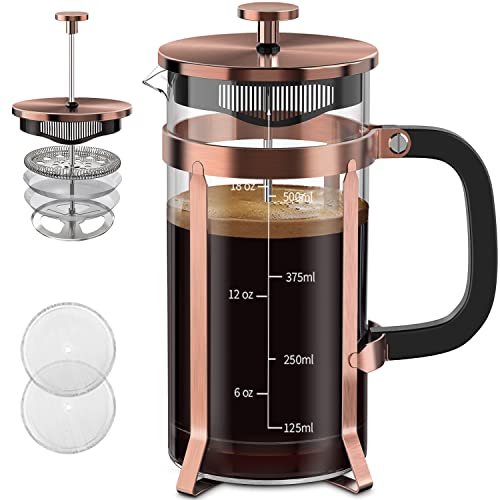
QUQIYSO French Press Coffee Maker 21oz
This French press features a 21-ounce borosilicate glass carafe, allowing you to monitor the brewing process. It is designed for straightforward use with a visible foam layer during brewing.

Utopia Kitchen Borosilicate Glass French Press
This French press features a 34 oz borosilicate glass carafe that is made to handle rapid temperature changes and resist outside odors or chemicals. It comes with a black frame and handle for ease of use.
Carefully selected coffee makers based on performance, durability, and user reviews for enthusiasts.
Choose Your Next Step
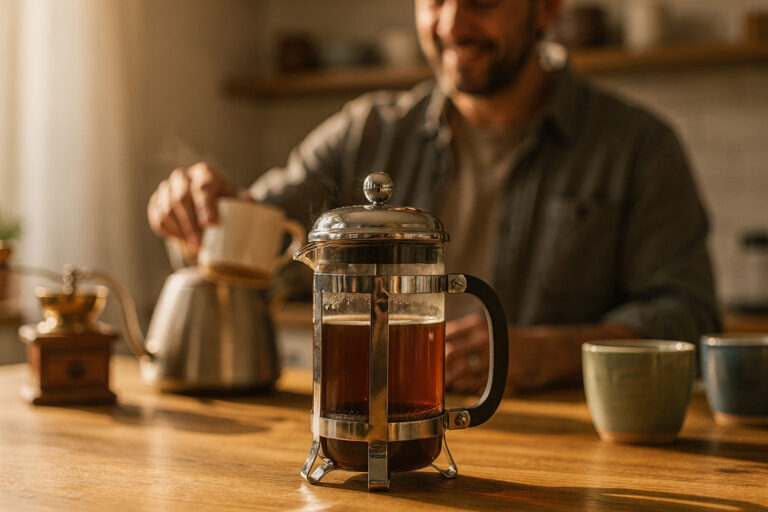
Standard French Press
A simple option for everyday brewing and easy comparison.
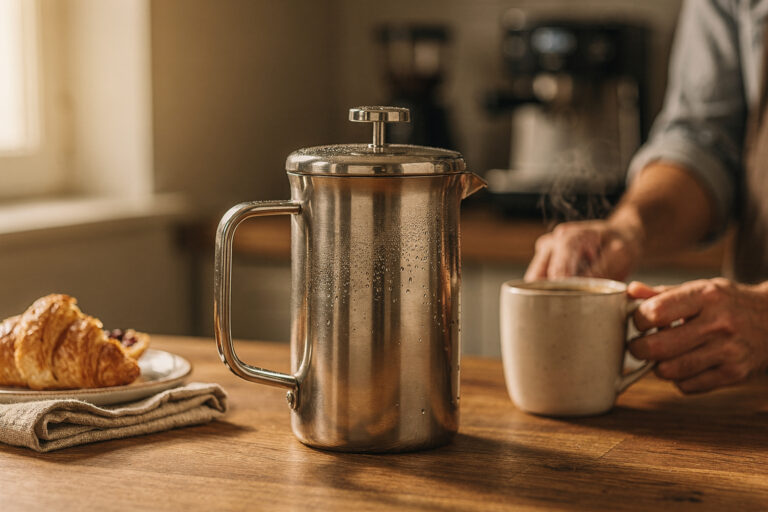
Stainless Steel French Press
A heat-holding choice with a sturdier feel.
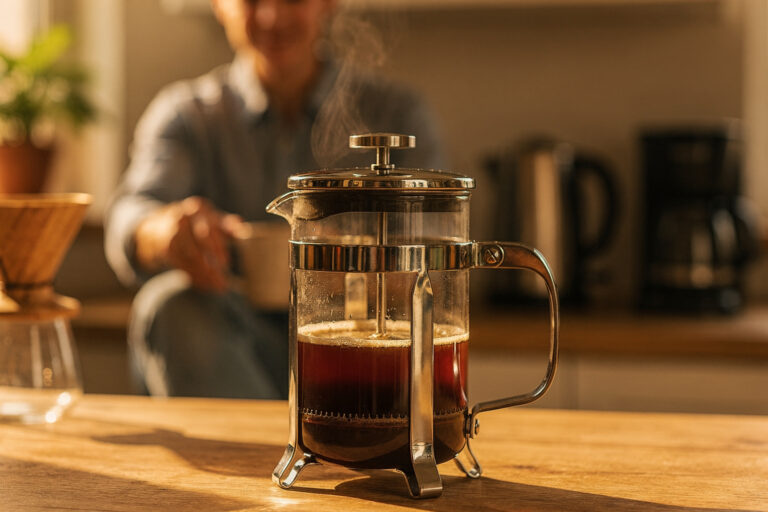
Glass French Press
A clear, classic style that is easy to inspect.
Pick the Right Path Fast
- If you want: A simple option for everyday brewing and easy comparison. Start with: Standard French Press →
- If you want: A heat-holding choice with a sturdier feel. Start with: Stainless Steel French Press →
- If you want: A clear, classic style that is easy to inspect. Start with: Glass French Press →
Latest Guides
New guides are on the way — check back soon.
How We Choose & Recommend
Short, practical guidance first—then product picks when you are ready.
- We compare features and real-world use cases for French Press Coffee Makers.
- We scan user feedback for patterns (not one-off opinions).
- We call out trade-offs so you can pick confidently.
FAQ
What size French press should I buy?
Start with how much coffee you actually pour in one round. A small press works well for one mug, while a larger carafe suits two people or more. Check the usable fill line, the plunger space, and the cup size you use most. That helps you avoid a press that feels oversized in daily use.
How do I choose between glass and stainless steel?
Glass French presses let you see the coffee bed and rinse the carafe easily. Stainless steel models usually hold heat longer and feel more durable in the hand. If you like to sip slowly or serve at the table, steel can be a better match. If you want quick cleanup and a classic look, glass is easier to live with.
Which features matter most in a French press?
Focus on the mesh screen, lid fit, and handle shape first. A tighter filter can keep more grit out of the cup, and a snug lid helps reduce heat loss while the coffee rests. A stable base matters too, especially if you pour from the same press at breakfast or share it with guests.
What are common mistakes when using a French press?
The biggest mistake is grinding the beans too fine, which lets more sediment slip through the screen. Another is pressing too hard or too fast, which can stir up the coffee bed and make the cup muddy. It also helps to avoid a short steep with a large coffee dose, since that can leave the brew thin and uneven.
How do I get the best flavor from a French press?
Use coarse grounds, water just off the boil, and a steep time around four minutes. Wet all the grounds evenly, then press with steady pressure and pour soon after. If the cup tastes harsh, try a slightly shorter steep or a coarser grind. If it tastes weak, increase the coffee dose before changing anything else.
What should I look for if I want an easier cleanup?
Look for a press with a simple filter assembly, smooth interior walls, and a lid that comes apart without fuss. Wide-mouth glass and stainless steel carafes are easier to rinse, especially after oily dark roasts. If the screen has several layers, make sure it is still easy to brush and dry before the next brew.
How can I tell if a French press is good value for my routine?
Value comes from fit, not just size. A press that pours cleanly, feels balanced in the hand, and keeps enough heat for your drinking pace is more useful than a model with extra parts you never need. Compare the carafe material, filter quality, and how simple it is to clean after a few weeks of use.
⭐ Top 5 Best Coffee Makers
Veken French Press Coffee Maker
This 34oz (1L) French press features a thick carafe made of high borosilicate glass that resists thermal shock up to 360°F. The design avoids plastic contact with the coffee for a cleaner brewing process.
QUQIYSO French Press Coffee Maker 21oz
This French press features a 21-ounce borosilicate glass carafe, allowing you to monitor the brewing process. It is designed for straightforward use with a visible foam layer during brewing.
Utopia Kitchen Borosilicate Glass French Press
This French press features a 34 oz borosilicate glass carafe that is made to handle rapid temperature changes and resist outside odors or chemicals. It comes with a black frame and handle for ease of use.
Carefully selected coffee makers based on performance, durability, and user reviews for enthusiasts.